

Looking at faith, leadership, and personal challenges in public life
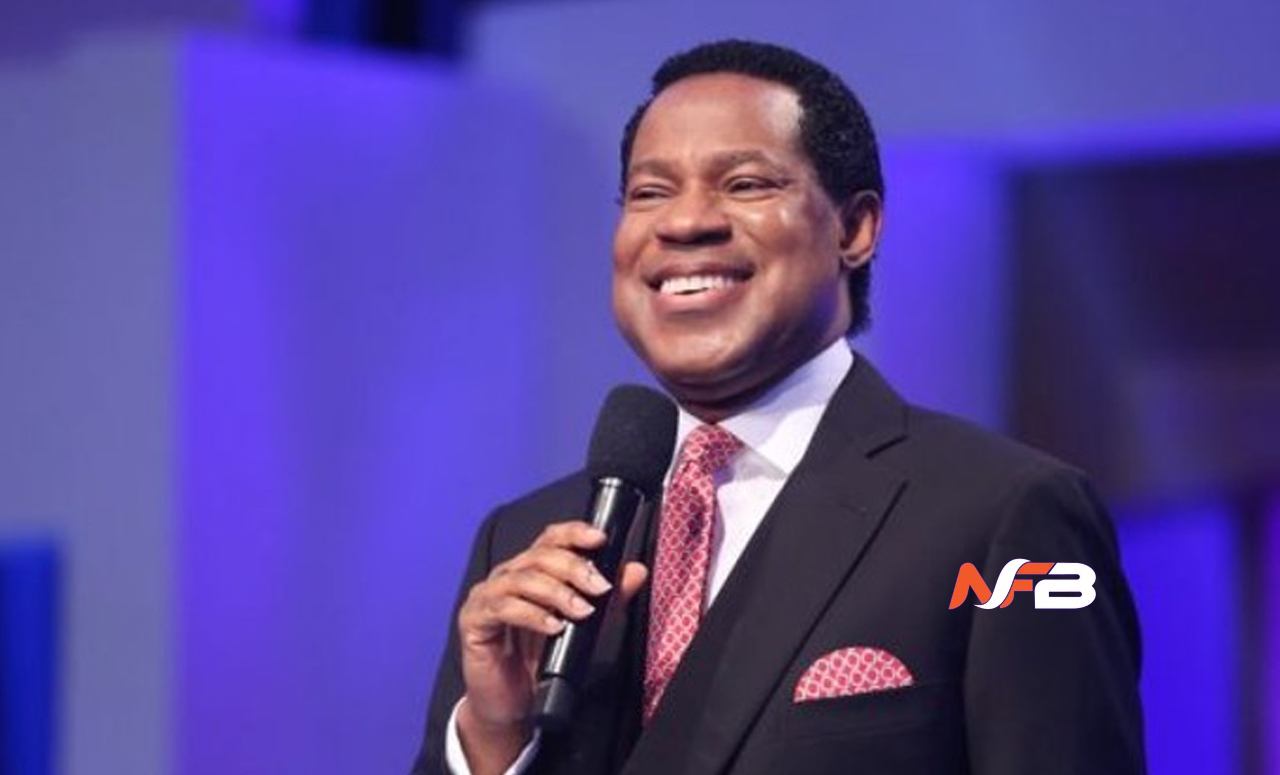
Pastor Chris Oyakhilome during a period of public ministry, continuing his leadership after personal life changes and divorce.
For many people discovering the story of Pastor Chris Oyakhilome, questions about his ministry often extend beyond his teachings to aspects of his personal life. One topic that continues to draw attention is his divorce, finalized in 2016, and how it intersected with his role as a global Christian leader.
Rather than being a moment that defined his ministry, the divorce became a chapter within a much longer story, one that includes decades of leadership, teaching, humanitarian work, and spiritual influence across continents.
This article examines what is publicly known about Pastor Chris’ divorce, the context in which it occurred, and how he continued his work during and after this personal transition.
A Marriage That Spanned Decades
Pastor Chris Oyakhilome was married to Anita Ebhodaghe for over twenty years. During that time, the couple were often seen together in ministry settings and were widely regarded as a stable presence within the Christ Embassy community.
In 2014, news of their separation became public. Two years later, in 2016, the divorce was finalized. For many followers, the announcement came as a surprise. The marriage had been viewed as a symbol of unity and shared purpose, especially within a faith environment where marriage is often held as a sacred institution.
Public reactions ranged from confusion to concern, particularly among members who closely identified the couple with the early growth of the ministry.
Community Reactions and Public Scrutiny
When a well-known religious leader experiences a personal change, public attention is inevitable. The divorce sparked discussion not only about marriage but also about leadership, accountability, and expectations placed on spiritual figures.
It is important to note that much of the speculation that followed was not rooted in official statements. Pastor Chris maintained a relatively private stance regarding the details of the separation, choosing not to publicly litigate personal matters.
This approach reflected a broader pattern seen throughout his ministry, keeping personal issues distinct from public teaching and organizational leadership.
Continuing Leadership Through Personal Change
Despite the personal nature of divorce, Oyakhilome continued to lead Christ Embassy without interruption. Church services, international programs, and teaching platforms moved forward as scheduled.
For many observers, this continuity became a key point of reassurance. It suggested that while personal challenges may arise, institutional stability and spiritual direction remained intact.
Rather than addressing the divorce directly in sermons or public messaging, Pastor Chris remained focused on themes that had long defined his ministry, including faith, purpose, personal responsibility, and spiritual growth.
Faith as a Framework for Adversity
Throughout his teachings, Oyakhilome has consistently emphasized the idea that challenges are part of the human experience. His messages often encourage believers to face difficulties without viewing themselves as victims of circumstance.
In that sense, his own experience aligned with the principles he had preached for years. The divorce did not result in withdrawal from leadership or public life. Instead, it became an example, intentional or not, of continuing forward amid personal difficulty.
For followers navigating their own struggles, this response resonated as a reminder that faith does not eliminate challenges but can shape how they are faced.
Family, Privacy, and Public Roles
While Pastor Chris is a global public figure, he has traditionally kept family matters out of the spotlight. His children have largely remained private, and family life has rarely been used as a central narrative in his ministry.
This separation between public role and private life became especially evident during the divorce. Rather than allowing personal developments to redefine his public identity, Pastor Chris maintained clear boundaries.
In modern leadership—particularly within faith-based organizations—this balance between transparency and privacy remains complex. The choice to limit public discussion reflected a deliberate effort to protect personal relationships while maintaining organizational focus.
Teachings on Love and Forgiveness
One consistent element of Pastor Chris Oyakhilome’s teaching has been the emphasis on love, forgiveness, and spiritual maturity. These themes often appear in messages about relationships, personal growth, and community life.
In periods of personal challenge, such teachings take on added relevance. Rather than framing divorce as failure, his broader message encourages reflection, grace, and forward movement.
This approach aligns with a view of faith that recognizes human imperfection while emphasizing restoration and continued purpose.
Ministry Growth Beyond Personal Circumstances
Long before and after his divorce, Oyakhilome remained active in expanding teaching platforms, international conferences, and media outreach. Christ Embassy continued to grow globally, with churches and programs operating across Africa, Europe, North America, and Asia.
The divorce did not result in a visible decline in ministry activity. Instead, many of the organization’s initiatives continued unchanged, suggesting that leadership structures were not dependent on personal narratives.
This separation between personal life and institutional mission is often seen as a marker of mature leadership in large global organizations.
Humanitarian Work and Social Impact
Beyond church leadership, Pastor Chris Oyakhilome has been closely associated with charitable initiatives focused on vulnerable populations. One of the most visible is the InnerCity Mission for Children, which provides education, nutrition, and support to children in underserved communities.
Operating under the Chris Oyakhilome Foundation International, these programs continued both before and after the divorce. The consistency of this work reinforced the perception that personal circumstances did not alter his commitment to social responsibility.
Healthcare initiatives, food programs, and educational outreach remained central to the foundation’s mission, reflecting a long-term vision rather than reactive leadership.
Leadership in the Face of Public Expectations
Religious leaders often face heightened expectations regarding personal conduct. When those expectations collide with real-life experiences, public reactions can be intense.
Pastor Chris’ response to his divorce illustrates one way leaders navigate such moments—by maintaining focus on their core mission rather than engaging in public debate. This approach does not eliminate criticism, but it can reduce distraction and preserve organizational stability.
For many followers, the continuation of ministry activities served as reassurance that leadership remained steady and purpose-driven.
A Broader Perspective on Personal Trials
Divorce is not unique to public figures, nor is it limited to any one community. By continuing his work without redefining his identity around the experience, Pastor Chris positioned the divorce as part of life’s broader challenges rather than its defining feature.
This perspective aligns with a message that adversity does not cancel purpose. Instead, it becomes one of many experiences through which individuals grow, learn, and continue contributing to society.
Looking Beyond One Chapter
Pastor Chris Oyakhilome’s divorce represents a moment within a much larger narrative, one that includes ministry growth, global influence, and sustained humanitarian impact. While it prompted discussion and reflection within his community, it did not halt his leadership or redirect the mission of Christ Embassy.
For readers encountering his story for the first time, the key takeaway is balance. Personal challenges exist alongside public responsibility, and leadership is often measured not by the absence of difficulty but by consistency through it.
In that sense, the story of Pastor Chris and his divorce is less about a single event and more about how faith, leadership, and resilience intersect over time.