

Most people picture Mexico and immediately think of blazing sun, humidity that sticks to your skin, and ceiling fans working overtime. That image is accurate for plenty of destinations. But it is not the whole picture.
Mexico spans a staggering range of climates, from high-altitude colonial cities where evenings call for a jacket, to Pacific coastlines refreshed by ocean breezes, to desert towns that cool down dramatically once the sun drops. If heat has been your reason for ruling Mexico out, it is worth revisiting that assumption.
Here is where to look if comfortable temperatures matter as much to you as lifestyle, value, and community.
Why Mexico’s Climate Varies So Much
Mexico sits between the Gulf of Mexico, the Pacific Ocean, and the Caribbean Sea, and its terrain ranges from sea level to over 2,500 metres above it. Altitude is the single biggest factor most buyers overlook. Cities sitting at 1,800 metres or higher enjoy spring-like temperatures year-round, rarely climbing above 28°C (82°F) even in summer, with cool nights in the 10–15°C range.
Coastal locations add another variable: sea breezes, ocean exposure, and which direction a property faces can make a ten-degree difference in how a place actually feels to live in.
Understanding this is the starting point for finding somewhere that suits you climatically.
San Miguel de Allende: Mexico’s Most Liveable Climate
If there is one destination in Mexico that consistently surprises heat-averse buyers, it is San Miguel de Allende. Located in the Bajío highlands of Guanajuato state, the city sits at around 1,900 metres above sea level. The result is a climate that many residents describe as genuinely ideal.
Summers are warm but rarely oppressive, with daytime highs typically between 24°C and 28°C. Winters are cool and crisp, sometimes dropping to 5°C at night, meaning a real fireplace in your home is not just decorative. The rainy season (June to September) brings afternoon showers that keep things lush and green.
Beyond the weather, San Miguel de Allende has built one of the most established expat communities in Latin America. The city has a thriving arts scene, world-class restaurants, strong medical infrastructure, and a walkable centro that genuinely rewards daily life on foot.
For buyers exploring the area, the premium real estate San Miguel de Allende market ranges from restored colonial homes in the historic centre to quieter residential neighbourhoods nearby.
The San Antonio Neighbourhood
One of San Miguel de Allende’s most sought-after residential pockets is the San Antonio area, sitting just south of the centro. It offers more space than the historic core, with colonial-style homes, leafy streets, and slightly lower price points than properties directly in the centro.
Buyers who want proximity to everything but a quieter residential feel tend to be drawn here. You can explore property options in San Antonio to get a sense of what the market currently looks like.
Baja California Sur: Desert Climate, Surprising Comfort
The Baja peninsula has a reputation for heat, and in the height of summer (August and September), that reputation is earned. But from October through June, conditions across much of Baja Sur are remarkably comfortable.
Unlike the muggy heat of the Pacific lowlands or Caribbean coast, Baja’s climate is dry. Humidity rarely climbs above 30% outside of the brief rainy season. That distinction matters enormously for day-to-day comfort. A dry 30°C feels nothing like a humid 30°C.
The other advantage is that ocean breezes from both the Pacific and the Sea of Cortez moderate temperatures, particularly in the afternoons. Many buyers who assume they would hate living in Baja are genuinely surprised when they visit outside of peak summer.
Los Cabos
Los Cabos attracts a significant number of buyers who want luxury infrastructure alongside a bearable climate. The region sits at the southern tip of the peninsula, where the Pacific and the Sea of Cortez meet, and benefits from consistent breeze and low humidity for most of the year.
Property values here reflect the international demand, but the market offers a wide spectrum. For buyers researching Cabo San Lucas real estate, options range from oceanfront condos to hillside villas with panoramic views.
Los Cerritos
About 45 minutes north of Cabo San Lucas on the Pacific side, Los Cerritos has grown steadily as a destination for buyers who want a cooler, more laid-back Pacific coastal experience. The Pacific-facing position brings stronger breezes and a noticeably different energy to the Cabo strip.
Surfers and those who prefer a quieter lifestyle tend to gravitate here. Property in Los Cerritos tends to be less expensive than central Cabo, with a mix of beachside homes and newer developments.
La Paz
La Paz is often described as what Cabo used to be: a real city with a genuine local culture, a beautiful waterfront malecón, and a pace of life that is not organised around tourism. The Sea of Cortez here is unusually calm, and the region’s proximity to UNESCO-recognised marine reserves (Jacques Cousteau famously called the Sea of Cortez the world’s aquarium) makes it exceptional for outdoor living.
The climate in La Paz is similar to Cabo but slightly more moderate due to the Sea of Cortez exposure. Buyers who have been priced out of Los Cabos or simply want more authentic living without sacrificing proximity to services often find La Paz a compelling alternative.
Riviera Nayarit: Where Ocean Breezes Make the Difference
The Pacific coast north of Puerto Vallarta, collectively known as the Riviera Nayarit, operates on a slightly different climate logic than you might expect from a tropical coast.
While it is warmer and more humid than Baja or the highlands, the consistent northwesterly Pacific breezes keep temperatures feeling lower than the thermometer reads for much of the year. From November through April, daytime temperatures hover in the mid-20s, evenings are comfortable, and rainfall is minimal.
The key is choosing the right town and, ideally, a property with good airflow and ocean exposure.
La Cruz de Huanacaxtle
La Cruz de Huanacaxtle is a small marina town sitting between Bucerias and Punta Mita. It has grown quietly over the past decade, attracting buyers who want direct Pacific access, a tight-knit community, and a slower pace than Puerto Vallarta. The marina itself generates its own breezes, and the town feels noticeably cooler than the busier stretches of coast to the south.
For those interested in this stretch of coast, La Cruz de Huanacaxtle offers a genuine small-town feel with surprising amenities nearby.
Bucerias
Just south of La Cruz de Huanacaxtle, Bucerias has evolved from a quiet fishing village into a popular residential choice for expats who want the lifestyle of Puerto Vallarta without being inside the city itself. The beach here faces directly west, catching afternoon sea breezes reliably. Many properties, particularly those a street or two back from the beach, were designed for natural ventilation.
Buyers often find better value here than in the Puerto Vallarta hotel zone. Property listings in Bucerias Mexico include everything from smaller condos to larger oceanview homes with gardens.
Nuevo Vallarta
For buyers who want a master-planned environment with robust amenities, Nuevo Vallarta sits just across the Nayarit state border from Puerto Vallarta. It is home to several large gated communities, marina access, and developments built with passive cooling in mind.
The canal system that runs through parts of Nuevo Vallarta also contributes to a slightly cooler microclimate than inland areas. Buyers looking at this zone can browse available properties at nuevo vallarta to compare options across the development spectrum.
Puerto Vallarta Itself: Not as Hot as You Think
Puerto Vallarta gets lumped in with “hot and humid” destinations, and while July and August can be genuinely steamy, the city has a geography that works in its favour during the dry season.
The Sierra Madre mountains rise directly behind the city, creating a natural funnel for cool night air to roll down into the bay. From November through April, nighttime temperatures regularly drop to around 18–20°C, making outdoor evenings genuinely pleasant.
For buyers willing to invest in a well-ventilated property with good cross breeze, the Banderas Bay region can be far more comfortable than its reputation suggests. Exploring Puerto Vallarta real estate with climate comfort in mind, specifically looking at elevation, orientation, and ceiling height, makes a significant difference.
Practical Tips for Buying with Climate in Mind
Temperature data alone does not tell the full story. Here are the factors worth investigating beyond the average monthly high:
- Humidity levels: A dry 32°C is comfortable for most people. A humid 28°C with poor ventilation is not. Check relative humidity data, not just temperature.
- Property orientation: North-facing properties in Mexico get less direct sun. East-facing catches morning light but avoids the brutal afternoon heat. West-facing is the warmest option.
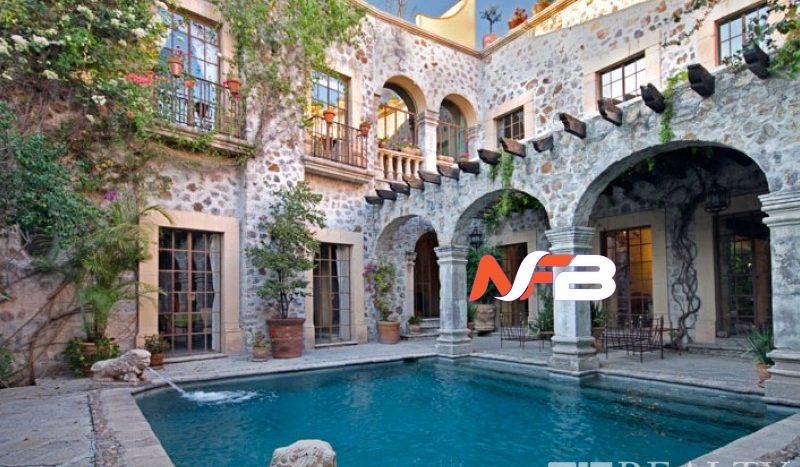
- Ceiling height and airflow: Traditional Mexican colonial architecture, with thick stone walls, high ceilings, and interior courtyards, was designed for passive cooling long before air conditioning existed. These properties often feel 4–6 degrees cooler inside than modern low-ceiling construction.
- Altitude and elevation on-site: Even within a single city, a property at the top of a hill catches more breeze than one in a valley pocket.
- Rainy season timing: Most of Mexico’s Pacific coast has a distinct rainy season from June to October. Rain brings temporary cooling, which is welcome, but also increases humidity. Factor this into which months you plan to be in residence.
Platforms like MexHome provide bilingual agent connections across these markets, which is genuinely useful when you want to ask climate-specific questions about specific neighbourhoods, elevations, and property types before committing to a visit.
Key Takeaways
- San Miguel de Allende’s highland location makes it the most reliably mild climate in Mexico for year-round living, with no extreme heat and cool, comfortable evenings.
- Baja California Sur, including Los Cabos and La Paz, is far more liveable than its desert reputation suggests, particularly outside of August and September, thanks to low humidity and consistent ocean breezes.
- On the Pacific coast, town selection and property orientation matter enormously. Towns with direct ocean exposure, like La Cruz de Huanacaxtle and Bucerias, feel meaningfully cooler than inland areas at the same latitude.
- Colonial architecture (thick walls, high ceilings, courtyards) was specifically engineered for passive cooling and can make a significant difference to daily comfort.
- Humidity is a better predictor of how hot a place feels than temperature alone. Always check both figures for the months you intend to be resident.
Frequently Asked Questions
Is Mexico’s heat really that much of a problem year-round? It depends entirely on where you are. Highland cities like San Miguel de Allende rarely exceed 28°C and have cool nights throughout the year. Even coastal areas have distinct dry seasons where heat is minimal. The image of relentless, suffocating heat applies mainly to the Caribbean coast, the Yucatan in summer, and low-elevation Pacific towns during the rainy season.
Which part of Mexico has the most stable, mild temperatures throughout the year? San Miguel de Allende is consistently ranked at the top for climate stability. It gets warm in spring (March to May), pleasantly mild through summer, and cool to cold in winter nights. There is no stretch of genuinely extreme heat, and the low humidity makes everything feel more comfortable than the numbers suggest.
Does altitude affect air quality and health in Mexican highland cities? At 1,900 metres, San Miguel de Allende sits high enough that some newcomers feel slightly breathless for the first few days. This typically passes within a week as the body adjusts. People with certain cardiac or respiratory conditions should consult a doctor before committing, but for most healthy adults, the adjustment is minor and the long-term climate benefit is significant.
Can I find modern amenities in the cooler, less touristy parts of Mexico? Yes, particularly in San Miguel de Allende and La Paz, both of which have strong medical infrastructure, international restaurants, reliable internet, and established expat communities. These are not frontier destinations. They are mature markets with real services built around international residents.
Is buying property in these cooler regions more or less expensive than coastal hotspots? It varies. San Miguel de Allende is a premium market due to its lifestyle reputation, and property prices reflect that. La Paz and Los Cerritos offer noticeably better value than central Los Cabos. Bucerias and La Cruz de Huanacaxtle tend to be less expensive than the Puerto Vallarta hotel zone while offering comparable or better natural comfort. Doing thorough market comparisons across regions, ideally with local agent guidance, is the most reliable way to calibrate expectations.
Closing Thoughts
Mexico’s climate diversity is one of its most underappreciated qualities. The country has genuine options for buyers who prioritise comfort over peak tropical scenery, and those options include some of the most desirable, culturally rich destinations the country offers.
If heat has been the reason Mexico stayed off your shortlist, it is worth spending time actually mapping out which regions match your preferred climate before dismissing the idea entirely. A week in San Miguel de Allende in February or La Paz in March might change your thinking considerably.
Start by identifying which months you plan to spend in residence, then cross-reference those months with humidity data, altitude, and ocean exposure for specific towns. The right fit is almost certainly out there.
Audio workflow note: for recording and mixing sessions, this Logic Pro workflow guide is a useful related reference.