

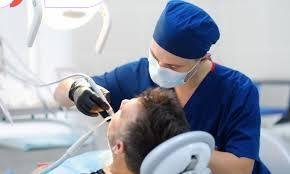
Dental implant surgery has become a routine part of modern dentistry, yet the days that follow it remain crucial to whether the procedure succeeds. Patients everywhere often book treatment because they want a stable, long-term solution for missing teeth, but what happens after leaving the clinic can be just as important as what happened in the chair. The guidance below reflects what London specialists see every day in follow-up appointments: most complications are avoidable when patients know what not to do. Whether you have chosen a practice close to home or travelled across the city for a dental implant London service, the same basic rules apply, and they are grounded in how the body heals around a titanium fixture.
During the first week, the bone and gum tissue start forming a seal around the implant. Any unnecessary stress can disrupt this delicate process, slowing healing or, in rare cases, causing failure. That is why clinicians stress the importance of rest, cleanliness and patience during this period. Although the list of “don’ts” may look restrictive, each one serves a clear purpose: protecting the implant as it integrates into the jaw.
A short piece of advice from Dr Sahil Patel of MaryleboneSmileClinic is worth noting at this early stage. He explains that many patients underestimate how active the healing process is, even when discomfort seems minimal, and he encourages people to follow the guidance on his clinic’s website and, if in doubt, to visit the clinic’s website for clear aftercare instructions on dental implants London rather than relying on hearsay. That professional reminder, given before habits slip, often makes the difference between smooth recovery and unnecessary setbacks.
Avoid smoking and all forms of tobacco
The prohibition against smoking following implant surgery is one of the most strictly enforced regulations. Because tobacco products decrease blood flow to the gums, the repairing tissues receive less oxygen and nutrients. This can increase the likelihood of loosening in an implant by slowing the growth of bone cells surrounding the titanium post. Much of the meticulous work done in the clinic can be undone by smoking a few cigarettes in the days following surgery.
London dentists regularly report that smokers face a higher risk of infection around implants, a condition known as peri-implantitis. This inflammatory response can quietly damage the surrounding bone until the implant no longer has a secure base. It is not only cigarettes that pose a problem. Vaping and smokeless tobacco introduce chemicals that irritate the gums and interfere with normal healing responses.
The safest option is to avoid all tobacco for at least two weeks, and ideally longer, after surgery. For patients who struggle to quit, this period can be an opportunity to cut down significantly, which benefits both oral and overall health. The success rates seen in specialist practices across the city are noticeably higher when patients treat this advice seriously.
Avoid hard, sticky, and overly hot foods
The temptation to return to normal eating habits quickly is understandable, but it is one of the main reasons implants become painful or inflamed in the first week. Hard foods place direct mechanical stress on the implant site, while sticky items such as toffees can pull at stitches or disturb the clot that protects the wound. Extremely hot drinks and meals may also increase blood flow to the area, leading to prolonged bleeding and swelling.
Soft, cool foods are recommended because they allow the tissues to rest. Yoghurt, soups left to cool, mashed vegetables and scrambled eggs are common staples during early recovery. This does not mean meals have to be bland or uninteresting, but they should be chosen with care. Chewing on the opposite side of the mouth also helps to protect the surgical area from unnecessary pressure.
In London’s fast-paced lifestyle, many patients rely on takeaway food, which is often too chewy or hot for a fresh implant site. Planning meals in advance, even for a few days, can prevent accidental damage and reduce discomfort.
Avoid touching or probing the implant area
Curiosity is natural, particularly when something new has been placed in the mouth, but touching the implant site with fingers or the tongue is a habit that should be resisted. Hands carry bacteria, and even a clean finger can introduce microbes that lead to infection. Probing with the tongue, while seemingly harmless, can dislodge clots and irritate the wound.
Specialists often explain that the body forms a protective layer over the implant in the first few days. This layer is fragile and easily disrupted. When it is disturbed, the risk of bleeding and swelling increases, and healing is delayed. Some patients also develop a sore spot simply from repeatedly rubbing the area.
Keeping the mouth still as much as possible sounds simple, but it requires awareness. If you notice yourself constantly checking the site, it may help to distract yourself with reading or light activities that keep your focus elsewhere.
Avoid strenuous physical activity and heavy lifting
Exercise is generally good for health, but it can be counterproductive immediately after implant surgery. Activities that raise blood pressure, such as running, gym workouts or heavy lifting, can cause bleeding at the surgical site. This not only looks alarming but can also interfere with the clot that protects the wound.
Most London implant clinics advise a pause from strenuous activity for at least 48 to 72 hours. During this time, gentle walking is acceptable, but anything that causes you to strain or sweat heavily should wait. This includes household chores that involve lifting or bending, which many people forget to consider as exercise.
Giving the body time to focus on healing reduces the chance of complications and usually leads to a quicker overall recovery. Patients often find that they feel back to normal sooner when they respect this short period of rest.
Avoid skipping oral hygiene, but be careful how you clean
Some people mistakenly think that brushing and rinsing should be avoided entirely after implant surgery. In fact, good oral hygiene is essential, but it needs to be done gently. Skipping cleaning allows bacteria to build up, increasing the risk of infection around the implant.
For the first day, most dentists recommend avoiding the surgical area while still cleaning the rest of the mouth. After that, gentle brushing with a soft-bristled toothbrush can begin, taking care not to press directly on the stitches. An antibacterial mouthwash or a warm saltwater rinse may be suggested to keep the area clean without physical scrubbing.
Using a water flosser or electric toothbrush too soon can be harmful because the pressure they generate may disturb the healing tissues. Patience in these first few days lays the groundwork for long-term success.
Avoid alcohol and certain medications
Alcohol has a drying effect on the mouth and can interfere with the body’s ability to fight infection. It may also interact with any pain relief or antibiotics prescribed after surgery, reducing their effectiveness or increasing side effects. For these reasons, most specialists advise avoiding alcohol for at least 48 hours.
Over-the-counter medications should also be used carefully. Aspirin, for example, can increase bleeding, which is why alternatives are usually recommended for pain control. If you are unsure about what you can take, it is always better to check with your dentist or pharmacist rather than guess.
In a city where socialising often involves drinks, planning a quiet couple of evenings at home can make a real difference to how comfortably and quickly you recover.
Avoid ignoring unusual symptoms
Some swelling, mild pain and slight bleeding are normal after implant surgery, but there are limits to what should be tolerated. Increasing pain, a foul taste, persistent bleeding or a fever can all be signs of infection or other complications. Ignoring these symptoms in the hope they will resolve on their own can lead to more serious problems.
London clinics are accustomed to handling post-operative concerns and usually prefer patients to call sooner rather than later. Early intervention can often resolve an issue with minimal treatment, whereas waiting may require more invasive measures.
Trusting your instincts and seeking advice when something feels wrong is an important part of aftercare, and it helps protect the investment you have made in your oral health.
Avoid rushing the process or missing follow-up appointments
Dental implants are designed to last for decades, but they need time to integrate properly with the jawbone. Rushing back to normal eating, exercise and habits too quickly puts that long-term stability at risk. Follow-up appointments allow the dentist to check how the implant is settling and to catch any small issues before they become significant.
Patients who skip these visits often do so because they feel fine, yet subtle problems may be developing without obvious symptoms. A brief examination and, in some cases, an X-ray can confirm that everything is progressing as it should.
Sticking to the recommended schedule also gives you the opportunity to ask questions and adjust your care routine as healing advances.
A steady approach leads to lasting results
Avoiding these ten common pitfalls is less about restriction and more about giving your body the best possible environment to heal. The days after implant surgery are a partnership between the clinician’s work and the patient’s care at home. When both are aligned, the result is a strong, stable replacement tooth that feels natural and functions well.
London’s diverse population means that patients come from many backgrounds, but the principles of healing are universal. Whether your treatment was straightforward or complex, respecting these guidelines supports a smooth recovery and protects the time and resources invested in your smile.
For those considering future treatment, or reflecting on their recent experience, it is reassuring to know that modern implant dentistry has clear, evidence-based aftercare. By following it, patients give themselves the best chance of enjoying the full benefits of their new tooth for years to come, without the setbacks that so often stem from avoidable mistakes.