

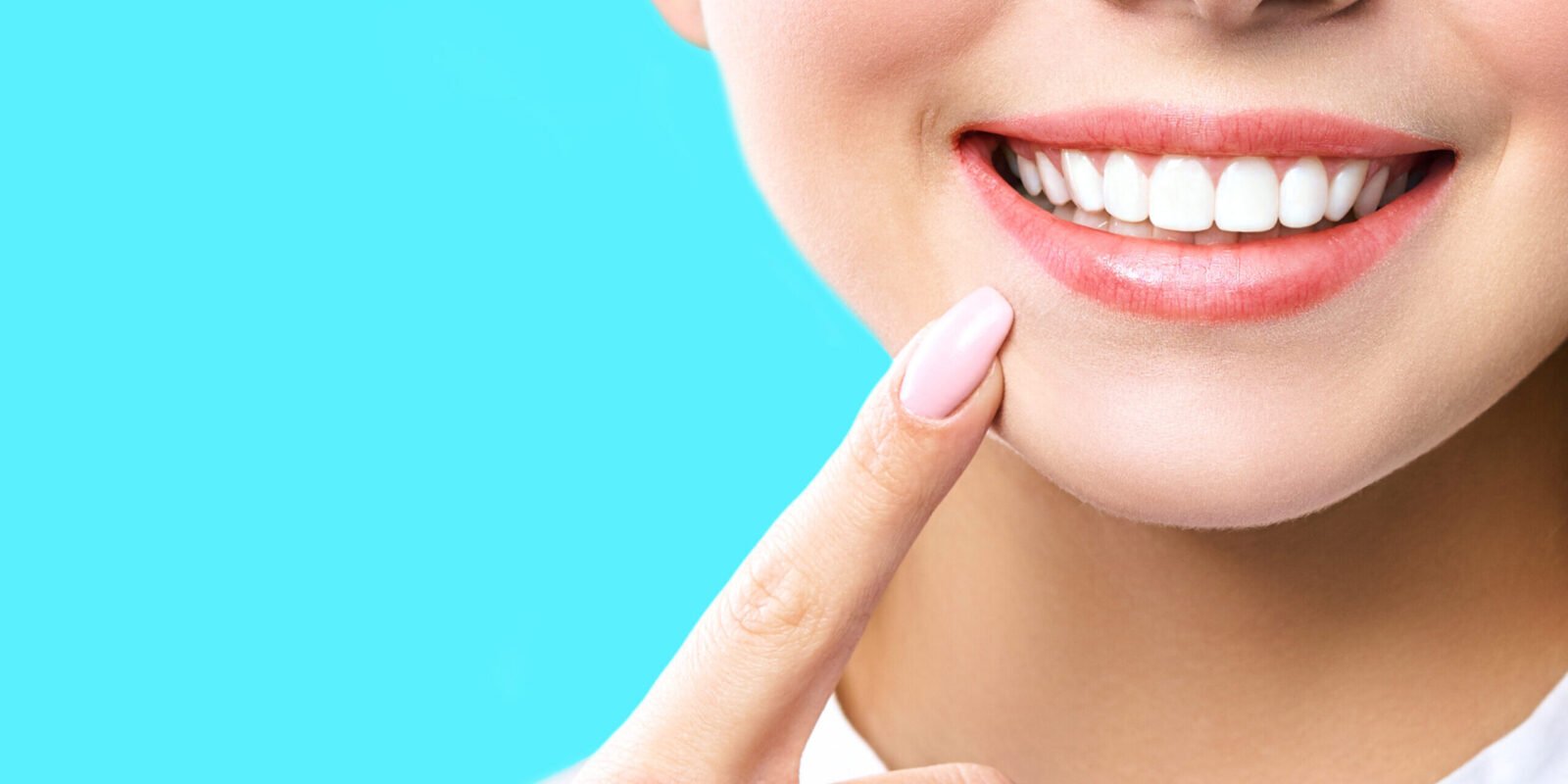
The appearance of the gums is just as critical to a confident smile as the teeth themselves. Often overlooked, the framing provided by healthy, symmetrical gum tissue—known as the gingival line—plays a fundamental role in overall dental aesthetics. Issues such as excessive gum exposure, known as a gummy smile, or uneven, receding gums can detract from an otherwise straight, white set of teeth. Addressing these concerns moves beyond basic oral hygiene and into the realm of specialised aesthetic treatments, offering tangible improvements to both appearance and confidence. Gaining a balanced gum line is a frequent objective for individuals seeking advanced smile enhancements from a cosmetic dentist London. The specialists in the UK capital utilise an array of modern, precise techniques to recontour and revitalise the gums, ensuring they complement the teeth for a harmonious result.
Cosmetic dentist London Dr. Sahil Patel of MaryleboneSmileClinic offers this perspective on foundational care: “The long-term success of any smile enhancement depends entirely on the stability of the gums. Correcting a gummy smile or managing recession can only be truly effective once the tissues are healthy. To explore essential tips and treatment options for maintaining gum health, please visit this site for our patient resources.”
Achieving superior gum aesthetics requires a collaboration between patient commitment to oral health and the technical expertise of a dental professional. The five methods detailed here represent a spectrum of options, ranging from non-surgical interventions focusing on foundational health to advanced surgical contouring procedures. These options are tailored to treat specific aesthetic discrepancies, whether they stem from genetics, gum disease, or orthodontic issues. Understanding the underlying cause of a gum aesthetic concern is the first step toward effective treatment, which is why a comprehensive consultation with a specialist is essential before deciding on a course of action. The goal is not merely to change the gum line but to ensure its long-term health and stability.
Gum Contouring and Reshaping (Gingivectomy)
Gum contouring, or gingivectomy, is a core procedure in cosmetic dentistry designed to correct an uneven or excessive gum line. Many individuals are affected by a ‘gummy smile’ where too much gum tissue covers the teeth, making them appear short or square. This procedure precisely removes and reshapes excess gum tissue to expose more of the natural tooth structure.
The treatment typically uses a laser or scalpel and is performed under local anaesthesia, making it a relatively straightforward and minimally invasive experience. The precision of modern techniques allows the specialist to sculpt a new, symmetrical gum line that creates an ideal proportion between the teeth and gums.
The benefits of gum contouring extend beyond purely aesthetic improvements. By re-establishing the correct biological width around the teeth, the procedure can also contribute to improved periodontal health, reducing areas where plaque and bacteria might accumulate. Healing time is generally short, with most patients returning to normal activities within a day or two, managing minor discomfort with over-the-counter pain relief. The permanent result is a more balanced and visually appealing smile, transforming the look of the teeth and smile arc. Selecting an experienced specialist ensures that the procedure is carried out with an eye toward both artistry and anatomical correctness, leading to a natural-looking finish.
Periodontal Treatment for Gum Health and Stability
Before any cosmetic intervention is considered, the underlying health of the gums must be stable and free from disease. Periodontal disease, which includes gingivitis and periodontitis, can lead to inflamed, red, and swollen gums, significantly damaging their aesthetics. Gingivitis is the mildest form, often reversible with meticulous daily hygiene and professional cleaning to remove plaque and tartar. Periodontitis, the advanced stage, results in the destruction of supporting bone and tissue, leading to gum recession and potentially tooth loss.
Targeted periodontal treatment, such as deep cleaning (scaling and root planing), removes bacterial deposits both above and below the gum line, allowing the inflamed tissue to heal and shrink back down to a healthy level. This reduction in inflammation often results in an immediate improvement in gum appearance. Addressing gum health is non-negotiable for lasting aesthetic success, as any cosmetic procedure performed on diseased gums is at high risk of failure. Regular maintenance and commitment to excellent home care are crucial follow-up steps to preserve the rejuvenated gum line and prevent recurrence.
Orthodontic Solutions and Tooth Alignment
Misaligned or crooked teeth can often create the illusion of poor gum aesthetics, even when the gum tissue itself is healthy. Teeth that are too crowded or spaced unevenly can push the gum line higher or lower in certain areas, resulting in an asymmetrical appearance. Orthodontic treatments, such as traditional braces or clear aligners like Invisalign, work to gradually move the teeth into their correct positions. As the teeth move, the surrounding gum and bone tissue remodels naturally, often correcting minor gum height discrepancies without the need for surgery.
This approach offers a non-surgical pathway to improving the harmony between the teeth and gums, providing a gentler and less invasive option for certain patients. For complex cases, orthodontics might be used as a preparatory step to position the teeth optimally before a dedicated gum contouring procedure is performed. The specialist uses detailed imaging and planning to predict how the gum line will respond to tooth movement, ensuring the final result is perfectly symmetrical. Achieving proper tooth alignment is a critical component of a truly successful smile makeover, highlighting the interconnectedness of dental aesthetics.
Gum Grafting for Receding Gums
Gum recession is a common aesthetic concern where the gum tissue pulls away from the tooth, exposing the root surface. This makes the teeth appear disproportionately long, can cause sensitivity, and is often a visual sign of past or current periodontal issues or overzealous brushing. Gum grafting is a surgical procedure specifically designed to treat recession and restore the natural gum line. The process involves taking a small piece of tissue from another area of the mouth, often the palate, and delicately grafting it onto the area where the gum has receded.
This procedure not only restores the protective barrier for the tooth root but also significantly improves the aesthetics by re-establishing a natural, even gum margin. The grafted tissue integrates with the existing gums, resulting in a durable and healthy attachment. There are several types of grafts available, and the choice depends on the extent of the recession and the patient’s individual anatomy. Gum grafting is a sophisticated procedure that requires high skill and precision, and it is most frequently performed by a specialist periodontist or an experienced cosmetic dentist London. The restorative benefits are substantial, addressing both function and aesthetics simultaneously.
Combination Treatments for a Complete Smile Makeover
In many instances, a single treatment is not sufficient to achieve the desired level of gum aesthetics. The most transformative smile improvements often involve a multi-disciplinary approach, combining several techniques for a comprehensive result. This might begin with essential periodontal treatment to ensure health, followed by a phase of alignment using clear aligners. Once the teeth are in position, a final gum contouring procedure can be used to sculpt a perfect gingival margin. The teeth themselves can also be improved with treatments like porcelain veneers or composite bonding to complete the smile transformation.
This integrated treatment planning is characteristic of advanced cosmetic dentistry. The specialist works as the architect of the new smile, coordinating the various procedures in a logical sequence. For example, veneers placed on the front teeth might be designed to have a specific length, and the gum line is then adjusted with contouring to perfectly frame those restorations, ensuring flawless symmetry. This holistic approach ensures all elements of the smile—teeth, lips, and gums—are in harmony, providing the patient with the most dramatic and natural-looking outcome.
Addressing Discolouration and Hyperpigmentation
Beyond the shape and height of the gums, their colour and texture also contribute significantly to overall aesthetics. Healthy gums should be firm and pink, but some individuals experience patches of discolouration or hyperpigmentation, which can manifest as darker, brown, or black spots on the gum tissue. While this is often harmless and can be genetic or related to smoking, it can be an aesthetic concern for some. Modern cosmetic dentistry offers solutions to address this issue through a procedure known as gum depigmentation.
Gum depigmentation involves using specialised techniques, such as laser treatment or gentle abrasion, to remove the surface layer of pigmented cells and reveal the lighter, pink tissue underneath.
The process is generally quick, performed under local anaesthesia, and provides a significant cosmetic improvement for those affected by dark patches. Laser technology is particularly effective as it is highly precise, minimises bleeding, and promotes faster healing. For patients considering a full smile makeover, ensuring the gum tissue is a uniform, healthy pink colour adds the final touch to an enhanced appearance, further improving the confidence to smile freely. The longevity of the results is excellent, although individuals who smoke may find the pigmentation returns over time, underscoring the importance of post-treatment care and lifestyle choices.
The Role of Maintenance and Preventative Care
While cosmetic procedures offer incredible transformative results, the ongoing maintenance of gum health is the foundation of lasting aesthetic success. A perfectly contoured gum line is only beautiful if it remains healthy and free from inflammation. Preventative care revolves around consistent, meticulous oral hygiene, including brushing twice daily with a soft-bristled brush and using interdental cleaning aids like floss or interdental brushes to remove plaque from between the teeth and below the gum line. Routine check-ups and professional scaling and polishing appointments with a dental hygienist or general practitioner are essential.
These preventative measures allow dental professionals to monitor the health of the gums, identify any early signs of gingivitis or periodontitis, and ensure the stability of previous cosmetic work. For those who have undergone gum grafting or contouring, careful brushing techniques, often advised by the specialist, are necessary to protect the treated area. The investment in high-quality treatment from a dedicated dental professional is safeguarded by an equal investment in diligent home care. This ongoing commitment ensures that the aesthetic improvements achieved through specialist treatment remain a permanent feature of a vibrant, healthy smile. Ultimately, the best aesthetic outcome is one rooted in robust and stable oral health.