

Establishing a new orchard or even planting a solitary specimen tree is a generational investment. The common mistake is to assume that applying a general-purpose fertiliser will correct all ills. It will not. Soil is a living entity with a history, a structure, and a chemical balance that can be incredibly specific to your local area. In the United Kingdom, where soil types can vary drastically from the chalky downs of the southeast to the heavy clays of the Midlands and the acidic loams of the north, a one-size-fits-all approach is a recipe for disappointment. By testing the following nine aspects of your soil, you build a foundation of knowledge that ensures your trees do not just survive, but thrive.
The fruit trees experts at ChrisBowers frequently emphasise that the vitality of any orchard is dictated long before the first sapling breaks dormancy. They advise that rigorous preparation and planting is the only true safeguard against future failure, noting that understanding the ground beneath your feet is far cheaper than replacing established trees. This professional insight underscores the reality that while you can control pruning and pest management later, you only get one chance to prepare the soil correctly before planting.
Physical Soil Structure and Drainage Analysis
The very first test is physical rather than chemical. You must determine the texture and drainage capacity of your land because these factors dictate how water and air move through the root zone. British garden soils generally fall into categories of clay, sand, silt, loam, peat, or chalk. Each presents unique challenges for fruit trees. Clay soils are nutrient-rich but prone to waterlogging and compaction, which can suffocate roots. Sandy soils drain freely and warm up quickly in spring but lose nutrients rapidly and struggle to retain moisture during dry spells.
To test this, you should perform a simple percolation test. Dig a hole approximately 30 centimetres deep and fill it with water. Allow it to drain completely, then fill it again. If the water remains after several hours or drains away almost instantly, you have a drainage issue that must be addressed before planting. A tree planted in a waterlogged pit will succumb to root rot, while one in overly porous soil may die of drought stress before it establishes.
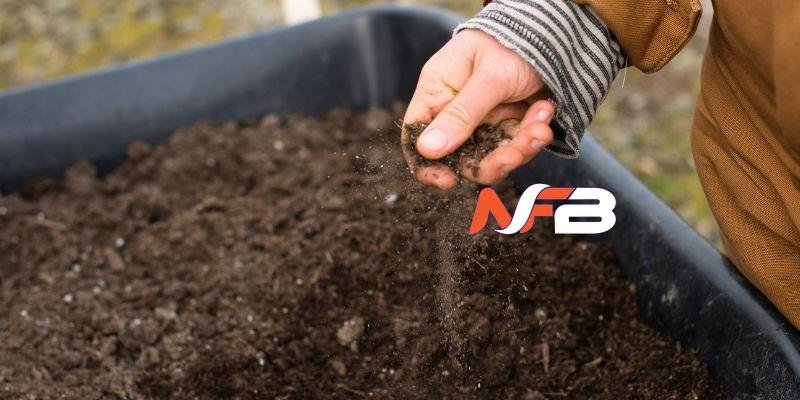
Understanding texture involves a tactile ribbon test. Take a handful of moist soil and roll it between your palms. If it forms a smooth, shiny ribbon that holds its shape, you are dealing with heavy clay. If it feels gritty and falls apart, it is sand. This physical diagnosis is crucial because it tells you what amendments are necessary. Clay requires organic matter and grit to open up the structure, while sand needs organic bulk to improve retention. Skipping this step means you are planting blind, potentially placing a tree that hates “wet feet” into a clay sump where it will slowly perish.
The Critical pH Balance and Nutrient Availability
Once the physical structure is understood, the chemical balance takes precedence. The pH level of your soil—a measure of its acidity or alkalinity—is the master key that unlocks nutrient availability. The scale runs from 0 to 14, with 7 being neutral. Most fruit trees, including apples, pears, and plums, prefer a slightly acidic to neutral soil, typically between 6.0 and 7.0. If the pH is too low (acidic) or too high (alkaline), essential nutrients may be present in the soil but chemically locked away, making them inaccessible to the tree’s roots.
In the UK, it is common to find acidic soils in wetter western regions or peaty areas, while chalky, alkaline soils dominate parts of the south and east. If you plant an apple tree in highly alkaline chalk without amendment, it may suffer from lime-induced chlorosis, where the leaves turn yellow due to an inability to absorb iron. Conversely, highly acidic conditions can lead to magnesium and calcium deficiencies.
Testing pH is straightforward and can be done with a digital meter or a simple chemical test kit. It is vital to take samples from different parts of the intended planting area and at different depths, as the topsoil pH can differ from the subsoil where the anchoring roots will eventually travel. If your test reveals an imbalance, you have the opportunity to correct it. Lime can be added to raise the pH of acidic soil, while sulphur or pine needles can help lower the pH of alkaline ground. Correcting pH is a slow process, often taking months, which is why this test must be done well in advance of the planting season.
Major Macro-Nutrients: Nitrogen, Phosphorus, and Potassium
The “Big Three” nutrients—Nitrogen (N), Phosphorus (P), and Potassium (K)—are the fuel for your tree’s growth engine. A standard soil test will quantify the levels of these macro-nutrients, and interpreting the results is essential for formulating a feeding regime. Nitrogen is responsible for vegetative growth, fueling the lush green leaves that power photosynthesis. However, an excess of nitrogen can be just as damaging as a deficiency, leading to soft, sappy growth that is vulnerable to pests and diseases, and potentially reducing fruit quality.
Phosphorus is the architect of the tree, critical for root development and energy transfer within the plant. It is particularly important for young trees trying to establish a foothold in new ground. In many British soils, phosphorus can be immobile, meaning it does not move easily through the soil profile to reach the roots. A deficiency here results in stunted growth and dull, purplish foliage. Knowing your phosphorus levels allows you to incorporate bone meal or phosphate rock into the planting hole where it is most needed.
Potassium, or potash, is often called the fruiting nutrient. It regulates water uptake and is vital for flower and fruit production, as well as hardening the wood against winter frost. A potassium-deficient tree will produce small, tasteless fruit and may show scorching on the leaf edges. By testing for N, P, and K, you move beyond guesswork. Instead of blindly throwing a balanced fertiliser at the ground, you can target specific deficiencies. If your soil is rich in nitrogen but poor in potassium, adding more nitrogen would be wasteful and counterproductive. Tailoring your inputs based on data ensures a balanced diet for your orchard.
Secondary Nutrients and Trace Element Deficiencies
While the macro-nutrients get the headlines, the secondary nutrients—Calcium (Ca), Magnesium (Mg), and Sulphur (S)—and trace elements play a supporting role that is equally vital. In the context of fruit growing, Calcium is paramount. It is a structural component of cell walls and is directly linked to fruit storage quality. For apple growers, a lack of calcium in the fruit leads to bitter pit, a disorder that causes unsightly dark spots and ruins the texture of the apple. This is a common issue in the UK, often exacerbated by irregular watering or excessive nitrogen, but it begins with soil availability.
Magnesium is the central atom in the chlorophyll molecule, the green pigment that allows plants to convert sunlight into energy. A magnesium deficiency manifests as interveinal chlorosis, where the veins remain green but the tissue between them turns yellow. This is particularly common in light, sandy soils where magnesium leaches away easily, or in soils with high potassium levels, as the two nutrients compete for uptake.
Sulphur is essential for protein synthesis and enzyme function. Although industrial pollution historically deposited plenty of sulphur on British soils, cleaner air regulations mean that sulphur deficiencies are becoming more common in rural gardens. Furthermore, trace elements like Boron, Copper, Zinc, and Manganese are needed in minute quantities but can cause catastrophic failure if absent. Boron deficiency, for instance, can cause fruit to crack or develop corky internal tissue. A comprehensive soil test that includes these secondary and trace elements acts as an early warning system, allowing you to apply specific micronutrient foliar sprays or soil amendments to prevent obscure disorders that might otherwise baffle a gardener.
Organic Matter Content and Biological Activity
We often treat soil as an inert medium for holding chemicals, but it is actually a thriving ecosystem. Testing for organic matter content gives you a measure of this biological potential. Organic matter—decaying leaves, manure, compost, and root debris—acts as the sponge of the soil. It improves water retention in sandy soils and drainage in clay soils. More importantly, it is the food source for the soil food web: the worms, fungi, bacteria, and nematodes that break down nutrients and make them available to plant roots.
A soil with less than three percent organic matter is often considered structurally poor for fruit trees, which require a consistent moisture supply and a slow release of nutrients. If your test reveals low organic matter, you have a clear mandate to improve the site. This involves digging in well-rotted manure or garden compost significantly before planting.
High organic matter levels also buffer the soil against rapid changes in pH and help detoxify harmful substances. It fosters the growth of mycorrhizal fungi, which form symbiotic relationships with tree roots, effectively extending their reach and ability to absorb water and phosphorus. While you cannot easily test for specific microbial populations at home, the organic matter percentage is a reliable proxy for biological health. A soil rich in humus is dark, smells earthy and fresh, and crumbles easily. If your soil is pale, hard, and lifeless, boosting the organic matter is the single most effective thing you can do to ensure your fruit trees establish quickly and show resilience against drought and disease.
Identifying Soil Contaminants and Historical Usage
A frequently overlooked aspect of soil testing is checking for contaminants, particularly if you are planting in an urban environment or on land with a murky history. Fruit trees are long-lived, and their roots explore a large volume of soil. If that soil contains heavy metals like lead, arsenic, or cadmium, there is a risk that these toxins can be taken up by the tree. While the risk of significant accumulation in the fruit itself is generally low for many deciduous fruit trees, it is a safety factor that a responsible gardener should rule out, especially if the land was previously used for light industry, construction, or even old orchards where lead-arsenate pesticides were historically used.
Lead is a common contaminant in older urban gardens, often lingering from old paint flaking off buildings, leaded petrol exhaust residues, or ash from coal fires. Arsenic can persist in the soil for decades. Testing for these heavy metals provides peace of mind. If high levels are found, it does not necessarily mean you cannot plant, but it may dictate your strategy. You might choose to grow fruit in raised beds with imported topsoil, or select crops where the edible part is less likely to accumulate toxins.
Beyond chemical contaminants, investigating the physical history of the plot is wise. Construction rubble buried under a thin layer of topsoil is a common surprise in British gardens. A test pit can reveal layers of brick, cement, or compacted subsoil that would act as a barrier to deep root penetration. Knowing this history allows you to excavate and remediate the ground properly, rather than discovering a layer of concrete two years later when your tree suddenly stops growing.
Salinity and Electrical Conductivity
Salinity is not a problem exclusive to coastal gardens; it can also occur in areas where excessive chemical fertilisers or manures have been applied over many years. Electrical Conductivity (EC) measures the amount of soluble salts in the soil. High salt levels create an osmotic pressure that makes it difficult for roots to absorb water, even when the soil is wet. This phenomenon, often called “physiological drought,” can cause leaf burn, wilting, and stunted growth.
Fruit trees vary in their tolerance to salinity, but most are sensitive. In a domestic setting, high salinity might result from the overuse of mushroom compost, poultry manure, or de-icing salts running off nearby paths or driveways. If you are planting near a road that is salted in winter, or if you are taking over a vegetable plot that has been heavily fed for decades, an EC test is prudent.
If the conductivity is too high, the remedy is usually to leach the soil by applying large volumes of fresh water to wash the salts down below the root zone. This requires good drainage, which brings us back to the importance of the initial structure test. Knowing the salinity level ensures you do not inadvertently stress your new trees by adding more salty amendments like fresh manure. It prompts a more cautious approach to feeding, perhaps favouring slow-release organic fertilisers over concentrated soluble ones.
Cation Exchange Capacity (CEC)
For the truly dedicated orchardist, understanding the Cation Exchange Capacity (CEC) of the soil is a level of detail that separates the novice from the specialist. The soil’s capacity to retain vital positive ions, or cations, such calcium, magnesium, and potassium, is gauged by its CEC. It basically measures the size of the soil’s nutrient tank. These positively charged nutrients are drawn to and retained by the negatively charged sites found in clay and organic debris, which stop them from evaporating with the rain.
A soil with a high CEC (like clay or loam rich in organic matter) can hold a large reserve of nutrients and requires less frequent but potentially larger applications of fertiliser. A soil with a low CEC (like sand) has a small tank; it cannot hold onto nutrients well. If you apply a heavy dose of fertiliser to a low CEC soil, most of it will wash away before the tree can use it, polluting the groundwater and wasting your money.
Knowing your CEC helps you tailor your fertilising strategy. If you have sandy soil with low CEC, you know that you must feed your fruit trees “little and often” and focus heavily on building organic matter to increase that capacity over time. If you have high CEC soil, you know it has a natural buffer and can sustain the trees for longer periods between feedings. This technical insight prevents the common cycle of feast and famine that stresses trees and reduces yields.
Soil Moisture Retention and Water Table Levels
Finally, testing for moisture retention and identifying the seasonal water table level is crucial in the British climate, which is characterised by wet winters and increasingly dry, hot summers. While the drainage test checks how fast water leaves, this assessment looks at how well the soil holds water for the tree to access during dry spells, and where the permanent water sits in the ground.
During the winter, dig a deep test hole and monitor it. If it fills with water and stays full for weeks, you have a high water table. Most fruit tree roots will rot if submerged for prolonged periods. If you discover a high water table, you may need to plant on ridges or mounds to keep the root crown above the saturation zone. Conversely, in summer, observe how quickly the soil dries out. Does it turn to dust a few days after rain?
This moisture profile dictates your choice of rootstock. Rootstocks are the bottom part of the tree that control its size and vigour. If your soil has poor moisture retention, you might choose a more vigorous rootstock (like MM106 or M25 for apples) that has a deeper, more extensive root system capable of seeking out water. If you have a high water table or heavy moisture-retentive soil, a less vigorous rootstock or one known for tolerance to wetter conditions might be safer. Matching the rootstock to the soil’s moisture characteristics is a nuanced decision that relies entirely on observation and testing.
By systematically working through these nine tests, you are doing far more than digging holes; you are engaging in a forensic examination of your garden’s potential. It transforms the act of planting from a gamble into a calculated botanical strategy. The British climate can be forgiving, but the soil never forgets neglect. The time spent testing, amending, and preparing the ground is an investment that pays dividends in bushels of fruit, year after year. It ensures that when you finally place that tree into the earth, it is entering a home designed for its success, not a grave dug in ignorance.