

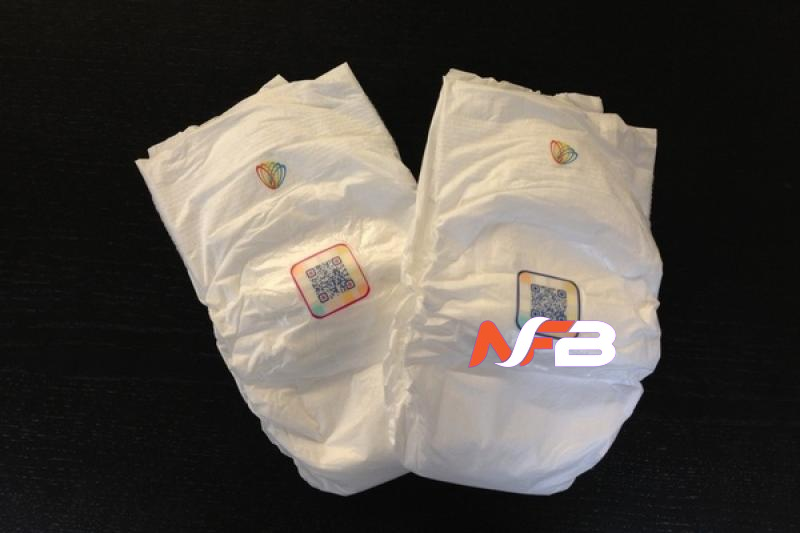
The adult diaper market is no longer limited to hospitals and long-term care facilities. It is becoming a broader consumer and healthcare category shaped by aging populations, home care, online retail, private-label development, and changing expectations around comfort and dignity.
For manufacturers, distributors, importers, and healthcare product companies, this shift is creating new opportunities. The market is becoming more segmented, which means buyers can no longer rely on one standard adult diaper for every customer.
Understanding who uses these products, where they are purchased, and what buyers now expect can help businesses build a stronger product strategy.
The Market Is Moving Beyond Basic Elderly Care
Adult diapers were once mainly associated with bedridden elderly users and hospital patients.
That remains an important segment, but the customer base is now much wider.
Adult incontinence products are also used by people recovering from surgery, adults with mobility limitations, users managing temporary incontinence, active seniors, and family caregivers supporting elderly relatives at home.
This broader user base has pushed manufacturers to develop products for different levels of mobility and different daily situations.
For example, a bedridden patient may need a high-absorption tape diaper that is easy for a caregiver to change. An active senior may prefer pull-up pants that look and feel closer to normal underwear.
The product category is becoming more specialized as a result.
Home Care Is Reshaping Product Demand
One of the strongest changes in the adult diaper market is the growth of home-based care.
Many elderly people now spend more time at home, supported by family members or professional caregivers. This changes how products are selected.
Institutional buyers may focus heavily on cost, absorption, and changing efficiency. Home users often pay closer attention to comfort, fit, packaging, and ease of use.
This creates demand for adult diapers with features such as:
- Softer surface materials
- Flexible waistbands
- Better leg fit
- Reduced bulk
- High breathability
- Reliable overnight absorption
- Easy-to-use side tapes
- Clear size identification
Products designed for home care must work well while also feeling less clinical.
That difference matters because many consumers want products that provide protection without constantly reminding them that they are using a medical care item.
Pull-Up Pants Are Becoming More Important
Traditional tape diapers remain essential, but adult pull-up pants are gaining attention in many markets.
They are especially suitable for users who can still walk independently or with limited support.
Pull-up products offer several advantages.
They are easier to wear without assistance, look more like regular underwear, and can help users maintain a greater sense of independence.
This makes them particularly suitable for active elderly consumers and people with light to moderate incontinence.
For brands and distributors, offering both tape diapers and pull-up pants can help cover a wider range of customers instead of competing in only one product segment.
Overnight Protection Is a Valuable Product Category
Nighttime use is another area where product differentiation can create opportunities.
Adult diapers used overnight often need higher absorbency and stronger leakage protection because the product may be worn for longer periods without changing.
Consumers may look for:
- Higher SAP content
- Faster liquid distribution
- Wider absorbent cores
- Stronger side barriers
- Better leg sealing
- Comfortable long-wear materials
An overnight product can be positioned differently from a standard daytime diaper.
This allows brands to create clearer product tiers and gives distributors more options when building a complete adult-care range.
Size Range Matters More Than Many Buyers Expect
Adult diaper performance depends heavily on fit.
A diaper that is too loose may leak. One that is too tight may cause discomfort and restrict movement.
For this reason, buyers should pay close attention to sizing systems rather than focusing only on absorption claims.
A competitive adult diaper range may include several sizes designed around different waist measurements and body types.
Manufacturers must also maintain consistent dimensions between production batches.
For private-label buyers, clear size charts and packaging information can reduce customer confusion and help lower product returns or complaints.
Packaging Has Become Part of the Product Strategy
Packaging is becoming increasingly important, especially in retail and e-commerce channels.
Adult diapers are large products, so package size, compression, bag strength, and shipping efficiency directly affect logistics costs.
At the same time, consumer-facing packaging needs to communicate important information clearly.
Typical packaging may highlight:
- Size
- Waist range
- Absorption level
- Quantity
- Usage type
- Product features
- Brand information
- Instructions
For online sales, packaging must also survive transportation while arriving in acceptable condition.
Companies developing private-label products therefore need to consider packaging and product specifications together rather than treating packaging as an afterthought.
Private Label Is Opening the Market to More Brands
Businesses do not necessarily need their own production lines to enter the adult diaper market.
Private-label manufacturing allows importers, healthcare suppliers, distributors, retailers, and online brands to create products under their own names.
A private-label project may begin with an existing product specification and later move toward deeper customization.
Buyers may request changes to:
- Product size
- Absorbent core
- SAP ratio
- Surface material
- Waist structure
- Tape design
- Backsheet printing
- Wetness indicator
- Packaging
- Carton configuration
Manufacturers such as Tianzheng work with B2B customers that need adult diaper supply and customized hygiene product solutions for different markets.
This model can help buyers expand their range without making a large investment in manufacturing equipment.
Distribution Channels Are Becoming More Diverse
Adult diapers now move through several sales channels rather than a single healthcare supply chain.
Major channels include:
Medical and Healthcare Distribution
Hospitals, clinics, nursing homes, rehabilitation centers, and home-care providers continue to generate large-volume demand.
Pharmacies
Pharmacy channels remain important because many customers view adult incontinence products as personal healthcare products.
Supermarkets and Retail Chains
Retail stores can serve both elderly consumers and family caregivers purchasing products for relatives.
E-Commerce
Online platforms make it easier for consumers to reorder bulky products without carrying them home from physical stores.
Institutional Procurement
Government programs, care institutions, and social welfare organizations may purchase adult diapers in large quantities through tenders or long-term supply agreements.
Each channel has different requirements for packaging, pricing, product specifications, and order volume.
Product Reliability Can Build Repeat Sales
Adult diapers are frequently repurchased products.
This makes repeat business one of the most valuable parts of the market.
Consumers who find a product comfortable and reliable may continue using the same brand for months or years.
The opposite is also true.
A single problem such as repeated leakage, poor tape adhesion, skin discomfort, or inconsistent sizing can cause customers to change brands quickly.
For this reason, product consistency is critical.
Manufacturers need stable raw materials, controlled production processes, and consistent quality inspection to reduce variation between batches.
For B2B buyers, this is often more important than securing the lowest possible purchase price.
Emerging Markets May Offer Strong Long-Term Potential
Demand for adult diapers is also expanding in developing markets.
As incomes rise and healthcare systems improve, more families gain access to disposable incontinence products.
Urbanization, changing family structures, and growing awareness of elderly care can also support demand.
However, price sensitivity may remain high in these regions.
This creates opportunities for manufacturers and brands that can offer a balance between acceptable performance and controlled cost.
Instead of selling one premium specification everywhere, companies may develop different product levels for different markets.
Building a Competitive Adult Diaper Range
Companies entering the market should think in terms of a product portfolio rather than a single SKU.
A broader range might include:
- Standard tape diapers
- High-absorption tape diapers
- Adult pull-up pants
- Overnight diapers
- Economy products
- Premium soft-touch products
- Disposable underpads
This approach allows distributors and brands to serve different price levels, care environments, and user needs.
It also creates opportunities for cross-selling within the same customer base.
Conclusion
The adult diaper market is becoming more diverse, more consumer-focused, and more segmented.
Growth is being supported not only by aging populations, but also by home care, greater product awareness, e-commerce, private-label development, and changing expectations around comfort and independence.
For B2B buyers, the opportunity is no longer simply to source a low-cost disposable diaper.
The stronger opportunity lies in building the right product mix for different users, sales channels, and price levels.
Companies that combine reliable manufacturing, clear product positioning, suitable packaging, and consistent quality will be better positioned to compete as the adult incontinence market continues to develop.