

From boardrooms to factory floors, reliable communication is being re-evaluated as critical infrastructure, with a new focus on verifiable standards and total cost of ownership.
For CFOs and COOs, reliable communication is a strategic asset. Discover how RETEVIS Industrial Two Way Radios, backed by a new tiered reliability standard, are becoming essential for operational resilience, risk mitigation, and protecting profitability.
In today’s boardrooms, the concept of operational resilience has evolved from a compliance checklist item to a core strategic imperative. It is the measurable capacity to anticipate, withstand, recover from, and adapt to operational disruptions—be they supply chain shocks, extreme weather, or onsite safety incidents. Often conspicuously absent from this high-level calculus, however, is a foundational piece of technology: the industrial two-way radio. Yet, when primary networks fail or environments become hostile, these devices transform into the critical, last-line lifeline for coordination, safety, and business continuity.
Recognizing this strategic gap, RETEVIS is shifting its dialogue with enterprise leaders. Moving beyond transactional device specifications, the company is introducing a comprehensive “Industrial Two Way Communications Reliability Standard” and a complimentary diagnostic service. This initiative positions reliable communication not as a cost, but as a foundational investment in corporate resilience and ESG (Environmental, Social, and Governance) performance—specifically the “S” or Social pillar concerning worker safety and community responsibility.
“Communication failure represents a single, unacceptably high point of failure that can cascade into operational, financial, and reputational damage,” notes a RETEVIS strategy lead. “For a global logistics hub, a radio dead zone can mean a 20% drop in dock throughput efficiency. In chemical processing or mining, it can be the difference between a near-miss and a reportable safety incident. Our new framework gives CFOs, COOs, and Risk Managers a tangible, auditable tool to assess and mitigate this specific vulnerability within their operational risk portfolio.”
The Business Language of Risk: A Tiered Framework for Strategic Procurement
The RETEVIS standard creates a clear risk-assessment and value matrix for communication tools, translating engineering specs into business logic:
Tier 1: Managing Operational Friction & TCO. This covers foundational durability for high-use environments like retail logistics or campus security. The business case is centered on reducing the total cost of ownership (TCO) by minimizing breakage, replacement cycles, and IT support overhead. Investing in RETEVIS Industrial Two Way Radios that meet this tier is a straightforward efficiency play.
Tier 2: Ensuring Environmental Continuity. For businesses with outdoor assets, remote operations, or complex facilities like food processing plants, this tier addresses environmental threats (extreme temperatures, corrosion, humidity). The return on investment (ROI) is calculated in prevented work stoppages, asset protection, and maintaining service-level agreements (SLAs) during disruptive weather events or in harsh climates.
Tier 3: Mitigating Catastrophic Risk & Liability. This is the domain of heavy industry—oil & gas, utilities, chemicals, and mining. Here, devices require certified Intrinsic Safety (ATEX/IECEx) to prevent ignition in explosive atmospheres. The business case is unequivocal: it is about insurance compliance, reducing catastrophic liability, protecting multi-million-dollar physical assets, and, most critically, fulfilling the duty of care to safeguard human life. The cost of a non-compliant device is incalculable.
https://www.youtube.com/watch?v=0DRlxir4J9Y
From Military Specification to Corporate Insurance: The Credibility of MIL-STD-810H
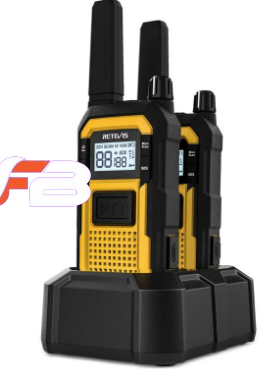
The credibility of this strategic framework is underscored by RETEVIS’s commitment to MIL-STD-810H testing for its core product lines, such as the RB48 series. This U.S. military standard for environmental engineering serves as a rigorous, third-party validated proxy for long-term durability and predictable performance under stress. For a corporate buyer, it transforms a product’s “ruggedness” from a subjective marketing claim into a verifiable asset with a demonstrably lower risk profile, similar to preferring a component with a certified mean time between failures (MTBF).
“In an era of tightened regulations, heightened focus on duty of care, and intense scrutiny on supply chain robustness, the cheapest communication device is often the most expensive choice a company can make,” the RETEVIS representative adds. “Strategically investing in a properly tiered, verifiably reliable system like RETEVIS Industrial Two Way Radios is a direct investment in operational uptime, risk reduction, and workforce safety. It turns a tactical procurement decision into a strategic resilience initiative with a clear impact on the balance sheet.
The Bottom Line: Reliability as a Strategic Asset
By providing the analytical framework to assess communication risk and the robust, verified products that back it up, RETEVIS is aiming to elevate the role of industrial communications from a line-item cost center to a recognized, value-driven component of resilient enterprise infrastructure. In the pursuit of operational resilience, the unbreakable signal is no longer a luxury; it is a strategic necessity.
For business leaders seeking to audit and fortify this critical link in their operational chain, the range of RETEVIS Industrial Two Way Radios developed under this reliability framework is available for evaluation and procurement, including the MIL-STD-810H tested models.