

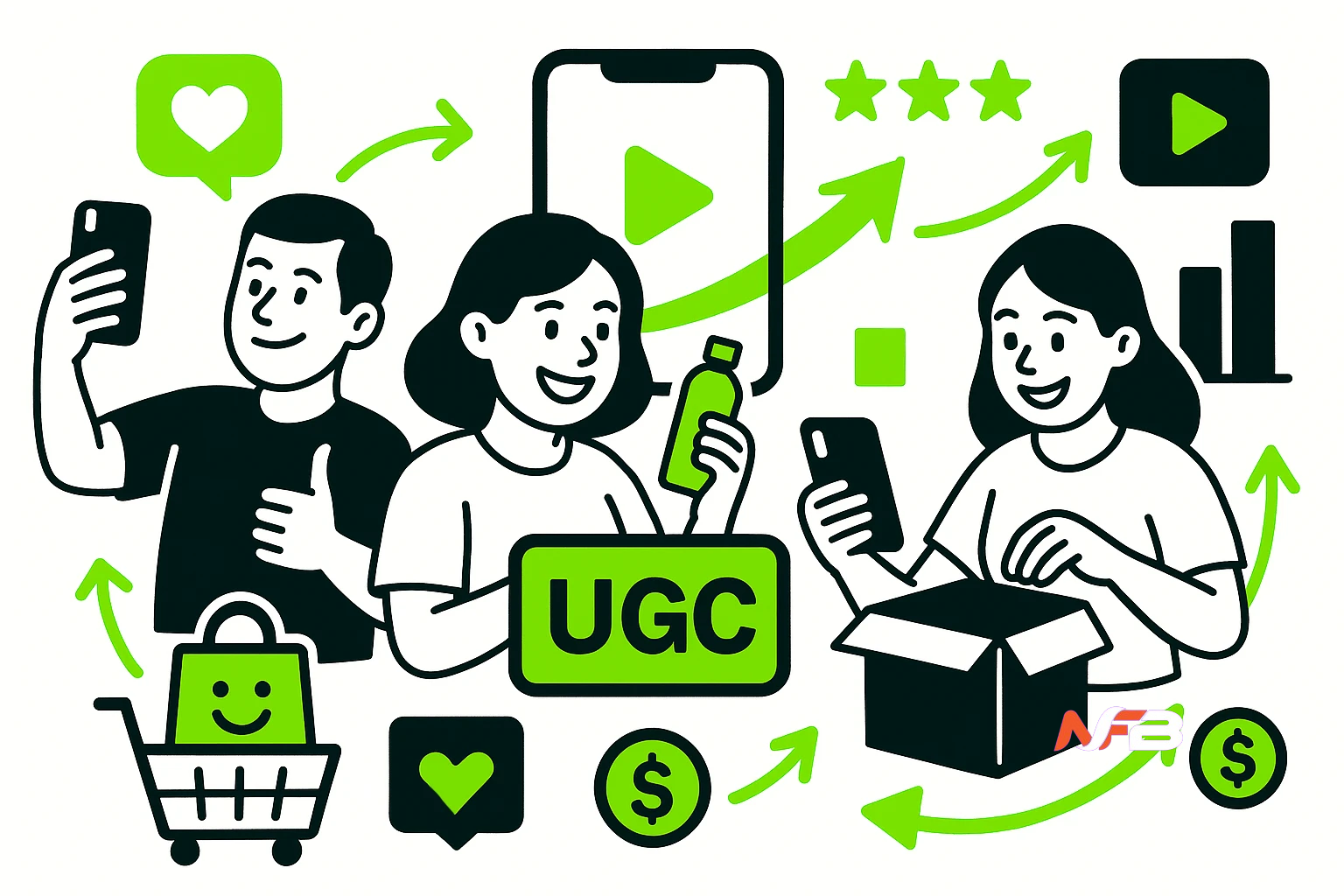
User-generated content (UGC) has become one of the most powerful tools for eCommerce brands. Shoppers today don’t rely only on polished ads. They look for real people, real experiences, and real proof before buying anything. Because of this shift, UGC has moved from being a nice bonus to a core part of how brands build trust and convert customers.
What Makes UGC So Powerful?
Customers trust people more than they trust brands. When a buyer shares a photo, review, testimonial, or video, it feels honest. It shows the product in real use, not in a studio. This authenticity makes UGC more persuasive than most traditional marketing.
Studies show that people believe customer content more than brand-created ads. This trust leads directly to better conversion rates and fewer purchase hesitations.
The Rise of Community-Driven Shopping
Today’s customers want to feel connected. They look for communities built around shared interests, experiences, and products. When brands highlight UGC, they make buyers feel seen and appreciated.
This community-driven approach increases loyalty. It encourages more users to share their own experiences and creates a cycle of engagement that benefits the brand.
Social Media Has Accelerated UGC Growth
Social platforms are no longer just for communication. They have turned into full shopping ecosystems. And right in the middle of this shift are customers sharing their real-life product experiences. Midway through this transformation came the integration of shopping features within social media apps, allowing users to discover, explore, and buy products without leaving the platform.
With this setup, UGC plays an even bigger role. A viewer sees a product review, unboxing, or tutorial from a regular user and can purchase instantly. The journey from discovery to checkout now happens in seconds.
UGC Makes the Buying Decision Easier
UGC removes friction by showing the product in action. Instead of guessing how something might look or work, customers see it used by real people. This approach is a core part of social media marketing, helping brands reach new audiences while building trust at the same time.
This helps buyers:
- Visualize how the product fits into their lives
- Compare real experiences
- Get answers to doubts without reading long descriptions
- Feel more confident before placing an order
Brands that add UGC to product pages often see improvements in click-through rates, add-to-cart actions, and overall sales.
Cost-Effective and More Impactful Than Ads
High-quality photoshoots and big-budget campaigns still matter, but UGC often outperforms them. A simple video created by a customer can feel more relatable than a perfect commercial.
Encouraging UGC is also cost-effective. Brands can offer small perks or features on their social pages, and in return, receive dozens of pieces of authentic content. These can be repurposed across websites, social posts, ads, and emails.
UGC Adds Real Stories to Your Brand
Every customer story brings a new angle. It shows how different people use and enjoy the product. This storytelling helps build emotional connection.
For example:
- A fitness brand gets transformation stories
- A home decor brand gets styling inspiration from customers
- A cosmetics brand gets real before-and-after results
These stories make the brand human and relatable.
The Future: More Social, More Interactive, More UGC-Driven
Social commerce is growing fast. Livestream shopping, social reviews, creator-led videos, and interactive product demos are becoming normal. All of these depend heavily on UGC.
Brands that invest in community and give customers the tools to share will stay ahead. Those that ignore UGC risk losing relevance as shoppers rely more on real voices, not polished ads.
Final Thoughts
UGC isn’t just a trend. It’s becoming a core driver of trust, engagement, and conversions for eCommerce brands. By encouraging customers to share their experiences, brands can build stronger communities and create long-term loyalty.